Audition Room Uprising: The New Generation of Talent Rewriting Hollywood's Unspoken Rules
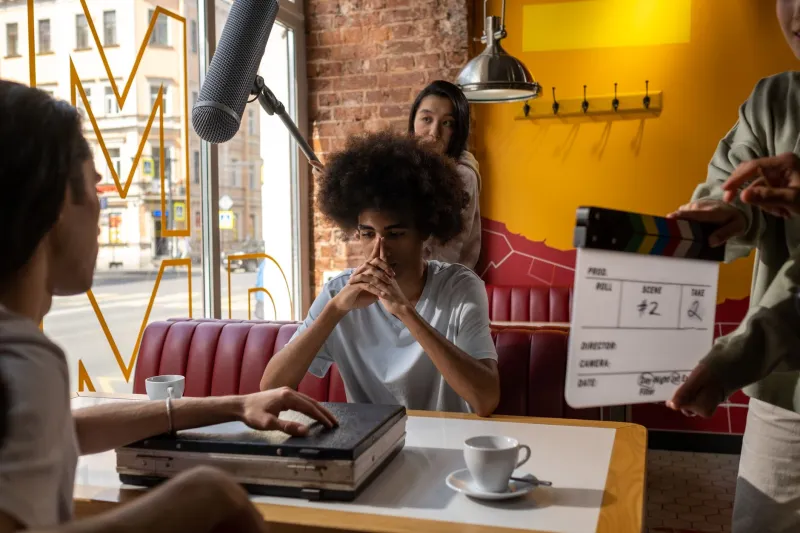
For decades, the mythology of Hollywood ran on a single, brutal equation: desperation plus talent equals compliance. The aspiring actor sitting across from a producer was expected to be grateful, pliable, and quiet about whatever happened in that room. That equation is being shredded — loudly, deliberately, and with a lot more legal backup than anyone saw coming.
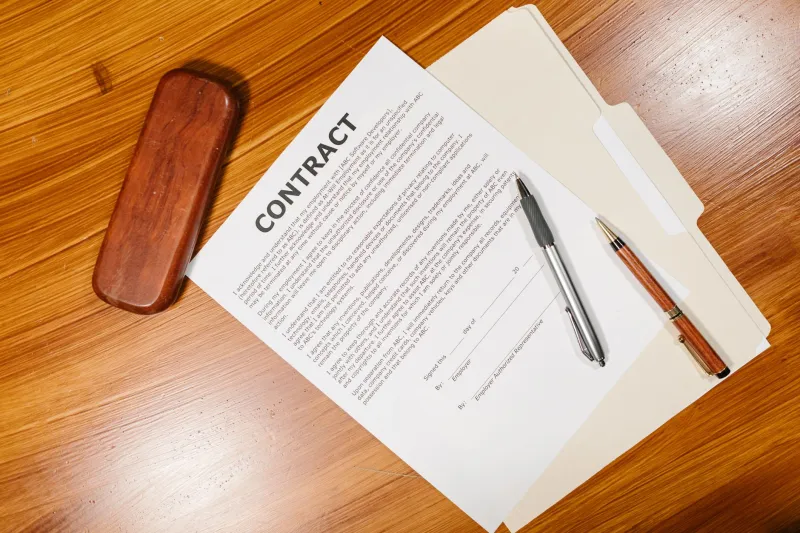
A generational shift is reordering the power dynamics of casting in ways that would have seemed almost laughable ten years ago. Young actors are walking into auditions with pre-negotiated terms. Influencers with eight-figure follower counts are declining meetings that don't come with NDAs protecting them. And a growing number of emerging stars are publicly naming the rooms they walked out of — and the industry is listening, partly because it has no choice.
The Leverage Nobody Talked About
Here's what changed: the audience followed the talent, not the studio. When a creator with 12 million TikTok followers gets cast in a streaming series, the network is quietly aware that she brought her own built-in viewership. That's leverage. Real, quantifiable, spreadsheet-friendly leverage — and it's flipping the traditional audition dynamic on its head.
"The conversation used to start with, 'Here's what we're offering,'" says one mid-level talent agent who represents several Gen Z clients with significant social followings. "Now it starts with, 'Here's what my client requires before we even have the conversation.' And the studios are adjusting because they have to."
That adjustment isn't always graceful. Several casting directors — speaking anonymously because, yes, the old power structure still has teeth — describe a palpable tension in rooms where younger talent arrives prepared to push back. "There's a learning curve on both sides," one veteran CD admits. "Some of my colleagues take it personally. I think it's actually making the process more professional."
What 'Setting Terms' Actually Looks Like
It's easy to romanticize this as some kind of Hollywood revolution, but the practical mechanics are worth understanding. What does it actually mean when a rising star "sets their own terms"?
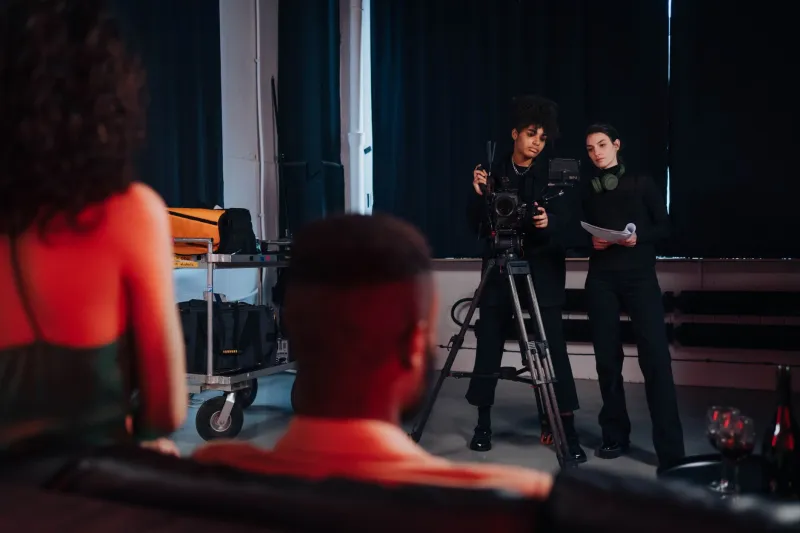
For some, it's straightforward: no closed-door meetings without a third party present. Several younger actors, particularly women and LGBTQ+ performers, have made this a non-negotiable condition of any preliminary meeting — not just formal auditions. Agencies are increasingly codifying this as standard practice for their newer, more vocal clients.
For others, it's about script approval conversations happening earlier than tradition dictates. One actress who landed a recurring role on a major cable drama after going viral on Instagram described requesting a full script review — not just sides — before agreeing to a chemistry read. "They acted like I'd asked for the moon," she told us. "I just wanted to know what I was walking into."
And then there's the money conversation, which used to happen at the very end, almost as an afterthought designed to make the actor feel lucky for whatever was offered. Newer talent, backed by agents who've done their homework on streaming residuals and backend structures, are raising compensation questions in the first meeting. The old guard hates this. The talent's bank accounts are increasingly grateful for it.
The Role of #MeToo's Long Tail
It would be dishonest to tell this story without acknowledging what made it possible. The seismic revelations of 2017 and beyond didn't just take down individual predators — they permanently altered the risk calculus for studios and production companies. Legal exposure is now a very real consideration in how casting departments operate, and that exposure has paradoxically handed actors a new form of protection.
"The conversation about what is and isn't acceptable in a casting environment used to be informal, whispered," says one entertainment attorney who works with emerging talent. "Now it's documented. Clients come to me before meetings and we talk through what protections need to be in place. That's a massive cultural shift."
Production companies have quietly updated their internal protocols — not always out of genuine reform, critics note, but because the legal and PR cost of getting it wrong is now catastrophic. Either way, the practical effect for talent is the same: there are more guardrails, and savvy actors are learning to use them.
When Walking Away Is the Power Move
Perhaps the most striking element of this shift is the normalization of walking away. For generations, turning down an audition — let alone a role — was career suicide, a signal to the industry that you weren't hungry enough, weren't grateful enough, weren't desperate enough to play ball.
That stigma is eroding fast, particularly among talent whose income streams don't depend solely on Hollywood's approval. A creator who earns seven figures annually from brand partnerships and digital content doesn't experience a passed audition the way a struggling actor in a studio apartment does. The financial independence changes the psychology entirely.
"I turned down a meeting last year because they wouldn't confirm who else would be in the room," one rising actor told us. "My manager was nervous about it. And then two months later, that project got shelved anyway. The instinct to protect yourself is usually right."
Casting directors who've adapted to this new reality describe it as, ultimately, a more efficient process. "If someone has real dealbreakers, I'd rather know them upfront than three weeks into negotiation," one CD explains. "The talent who know what they want tend to also know what they can deliver. That's not a bad thing to have in a room."
The Pushback Nobody's Saying Out Loud
Of course, not everyone in the industry is celebrating. Plenty of producers and executives — again, speaking only off the record — describe the shift as overcorrection, a culture of entitlement masquerading as empowerment. The complaint is usually some version of: these kids haven't paid their dues.
It's worth sitting with that criticism for a second, because it reveals exactly the mentality the new generation is pushing back against. The idea that suffering through degrading conditions is a prerequisite for professional legitimacy isn't a meritocratic value — it's a hazing ritual dressed up as wisdom.
The emerging talent who are rewriting the audition rulebook aren't rejecting hard work. They're rejecting the idea that submission and hard work are the same thing. And increasingly, the industry — at least the parts of it with an eye on the future — is starting to understand the difference.
Hollywood has always been about who holds the power in the room. The rooms are changing. So is the answer to that question.